
Collaboration
AgriCureX is actively engaging with leading research groups across Australia and beyond to advance a diverse R&D portfolio at multiple Technology Readiness Levels (TRL 1-6), spanning genomics, diagnostics, biotech, and data analytics, not limited to on-farm solutions.

Project 1
Meat & Livestock Australia (MLA) - BRD Research Initiative
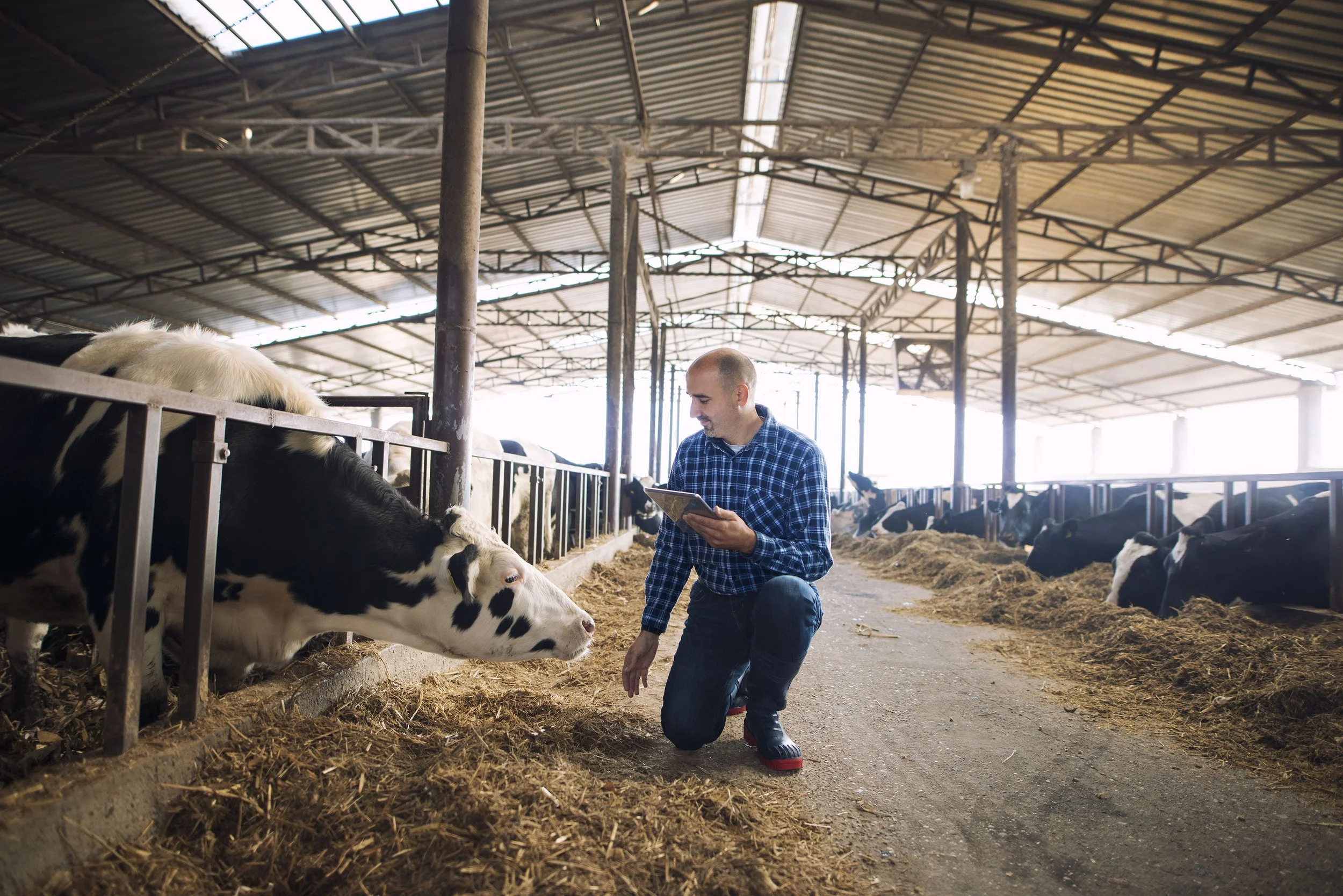
Co-funded by MLA producer levies and matched by government funding, this project advances AgriCureX-led R&D and clinical trials to develop and validate a precision phage cocktail targeting BRD pathogens in feedlots. Our work focuses on rapid pathogen detection, on-farm efficacy, and prevention that aligns with MLA's multimillion-dollar commitment to livestock health innovation.

Project 2
University of Sydney, School of Chemical and Biomolecular Engineering and ARC Linkage Grant
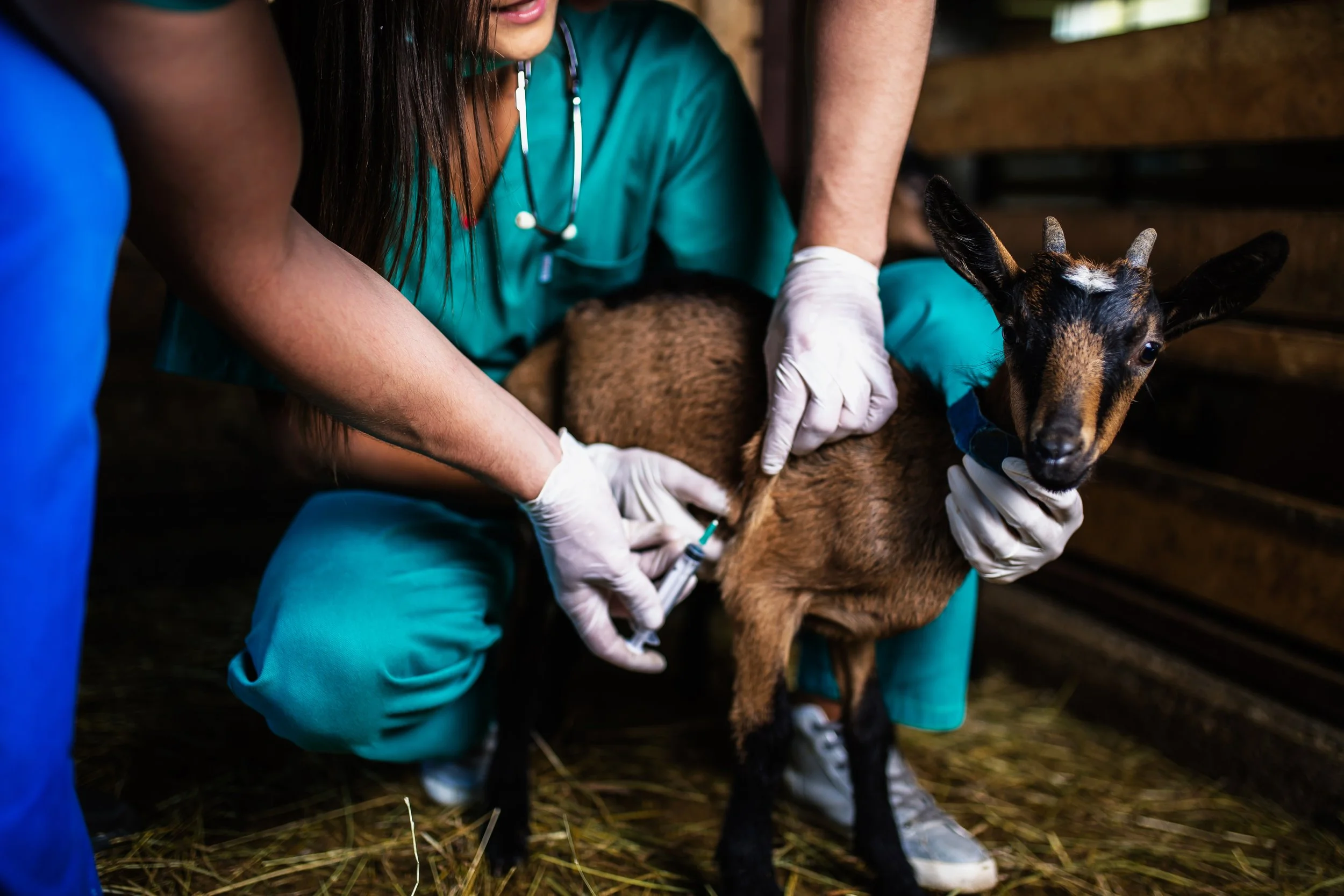
AgriCureX is the industry partner on an ARC Linkage Project with the University of Sydney’s School of Chemical and Biomolecular Engineering to co‑develop a portable electrochemical biosensor for ultra‑sensitive, simultaneous detection of multiple pathogens. This point‑of‑need device is designed to rapidly detect pathogenic contamination in food and water, strengthening safety and quality monitoring in routine operations as well as during natural disasters or outbreak responses. Beyond agrifood systems, the versatile biosensor platform has potential applications for pharmaceutical and medical‑device manufacturers and on‑farm quality control wherever early detection of life‑threatening pathogens is critical to protecting consumers.
Project 3
Expanding the Precision AMR Platform
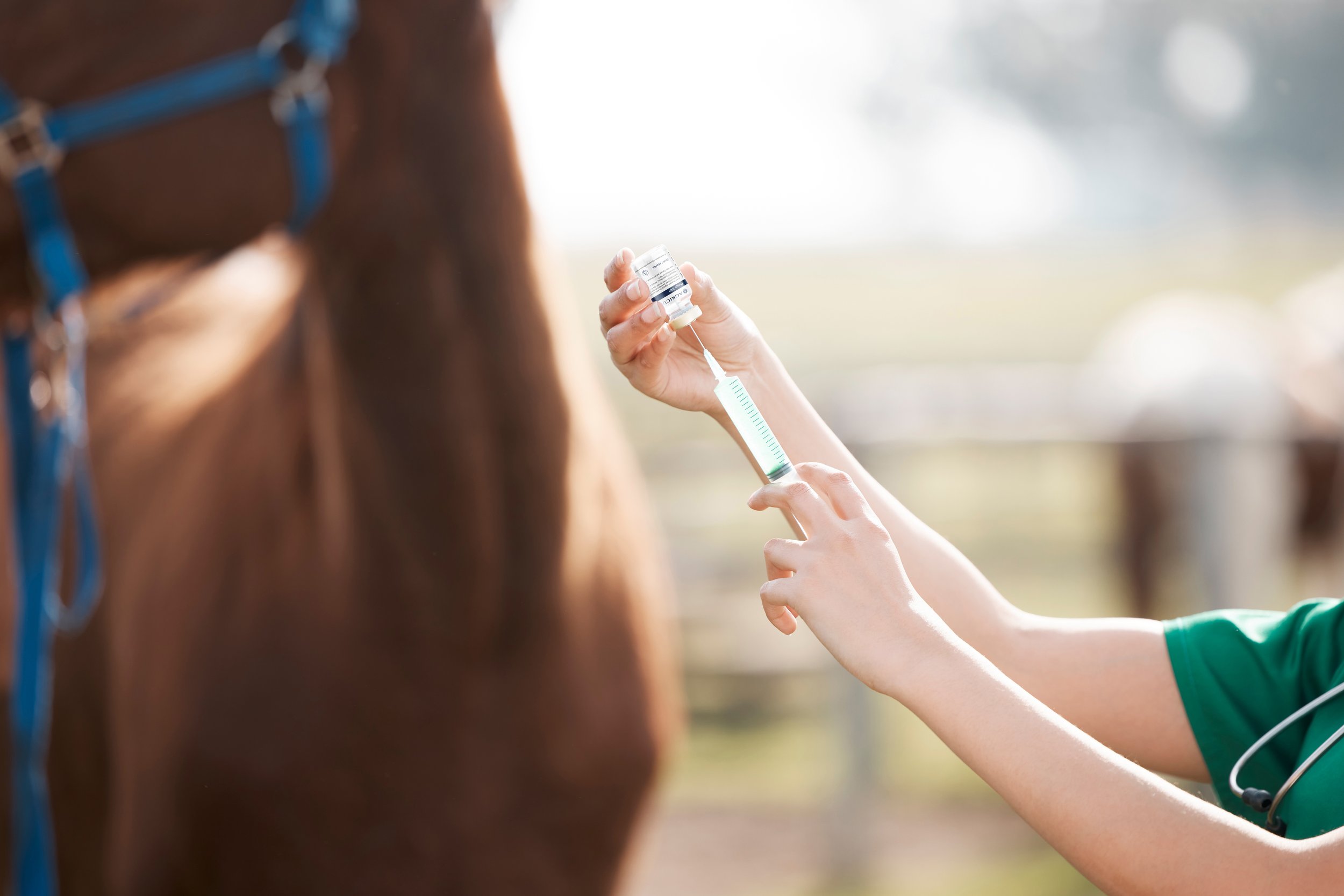
AgriCureX is advancing a pipeline of new projects that extend our phage/genomics and precision‑AMR platform into aquaculture, dairy and intensive livestock systems, including equine, poultry and companion‑animal health, underpinned by genomics (including AI-driven genomics), phage biobanking and rapid diagnostics. These initiatives focus on data‑rich surveillance, smarter phage selection and point‑of‑need tests to detect and control priority bacterial pathogens, while laying the groundwork for fit‑for‑purpose phage formulation and manufacturing capabilities through strategic partnerships. This builds a scalable infrastructure that can be adapted across farms, feedlots, veterinary settings and processing environments.