

Who we help
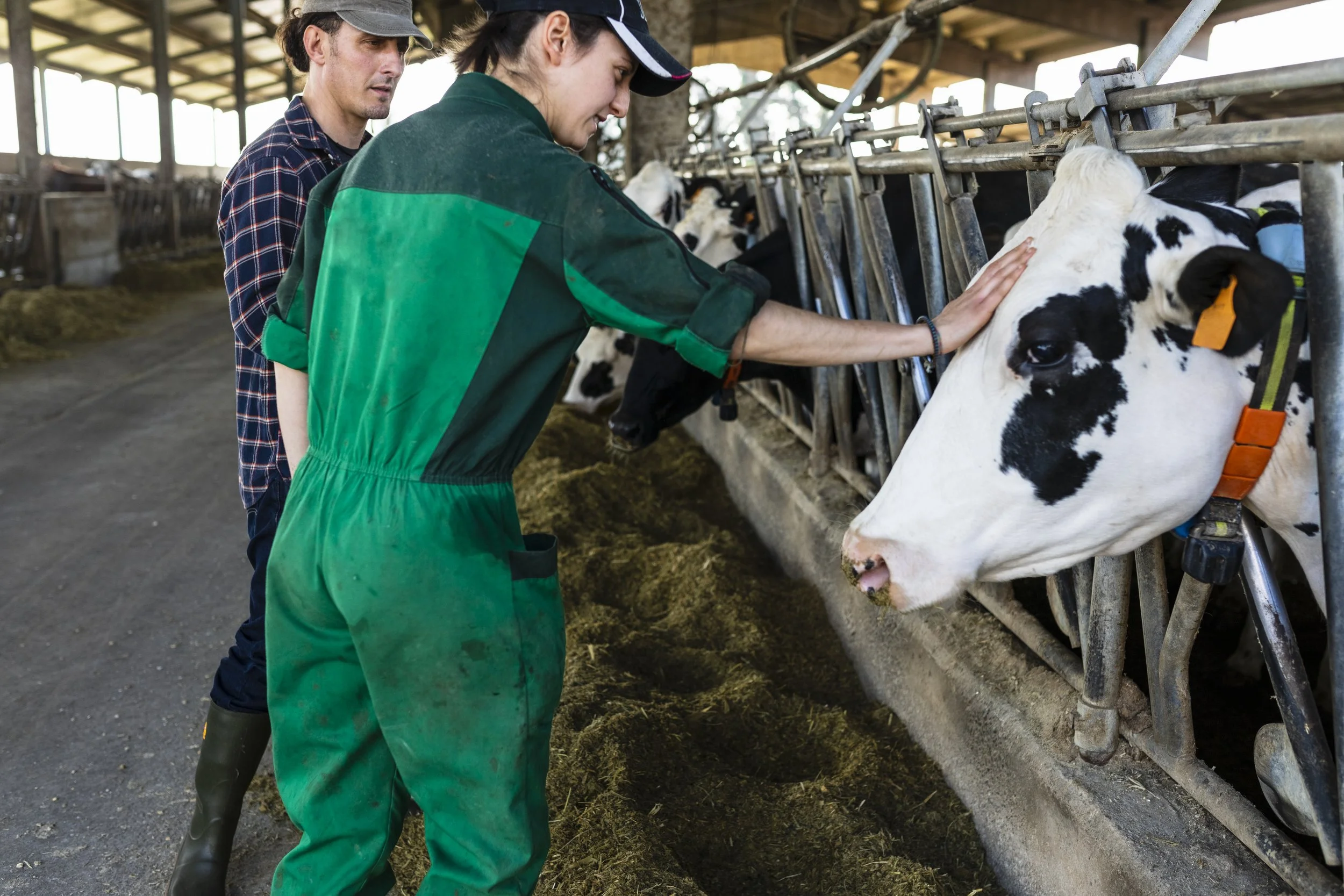
Bovine livestock
Bacteriophage therapy offers a highly targeted approach to protecting bovine livestock from bacterial diseases, particularly Bovine Respiratory Disease and other infections common in feedlots. Unlike broad-spectrum antibiotics, phages attack only specific harmful bacteria without disturbing beneficial gut microbiota, supporting overall animal health and digestive efficiency. This precision reduces the risk of antimicrobial resistance, helping maintain the effectiveness of existing antibiotics for both veterinary and human medicine. Phages are naturally occurring, biodegradable, and can be integrated into herd health programs alongside vaccination, nutrition, and biosecurity measures. For producers, this translates into healthier cattle, improved weight gain, lower mortality rates, and reduced treatment costs, while also meeting increasing consumer and regulatory demands for responsible antibiotic stewardship.
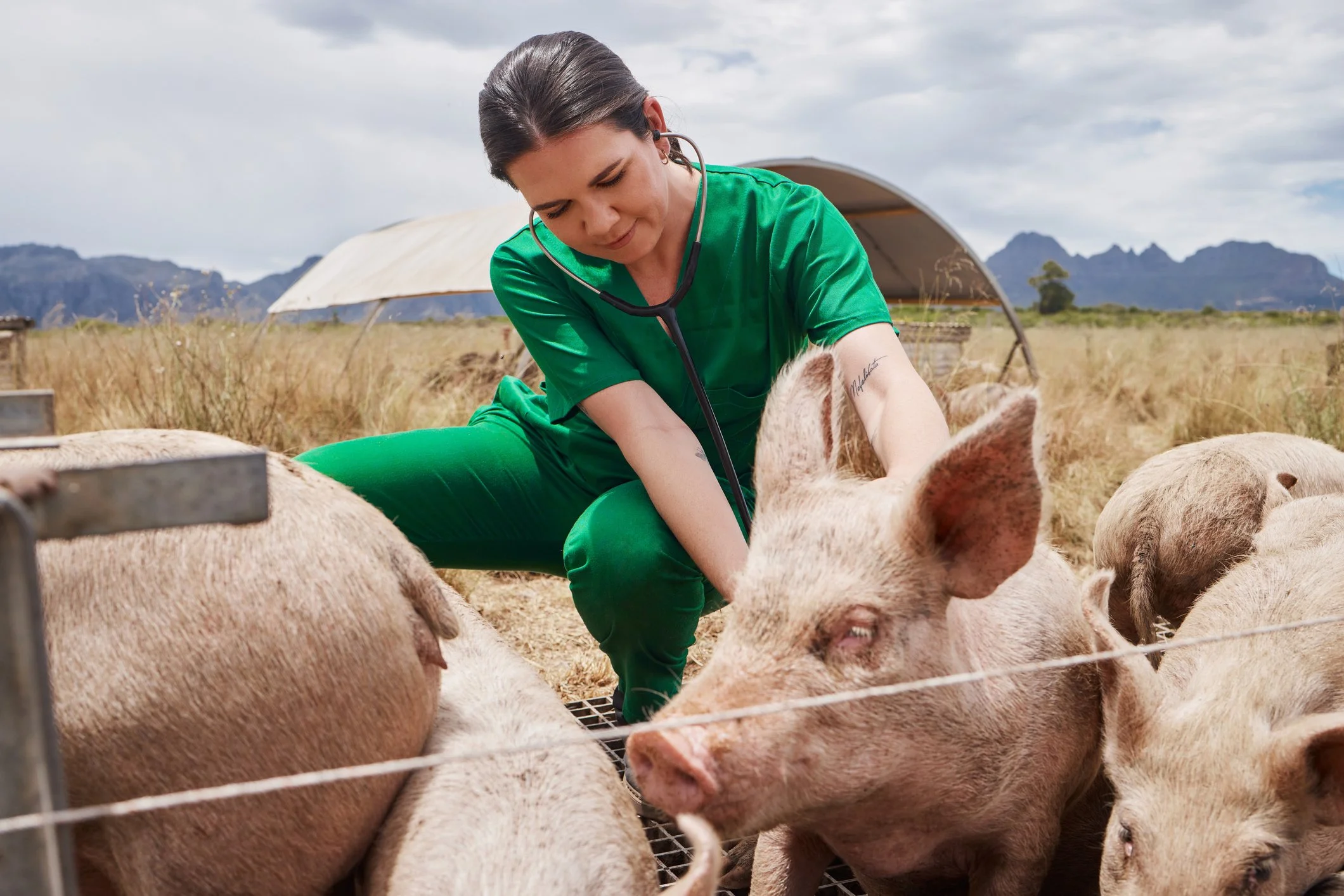
Porcine livestock
Bacteriophage therapy provides a targeted and natural solution for improving the health of porcine livestock, particularly against bacterial infections such as Escherichia coli and Salmonella, which commonly affect piglets and growing pigs. Phages specifically attack harmful bacteria without disrupting beneficial gut flora, supporting digestion, nutrient absorption, and overall growth performance. By reducing the need for broad-spectrum antibiotics, phage therapy helps lower the risk of antimicrobial resistance, contributing to safer meat production and better herd health. For producers, this means healthier pigs, improved weight gain, fewer disease outbreaks, and reduced veterinary costs, while aligning with growing consumer and regulatory demands for responsible and sustainable livestock management.
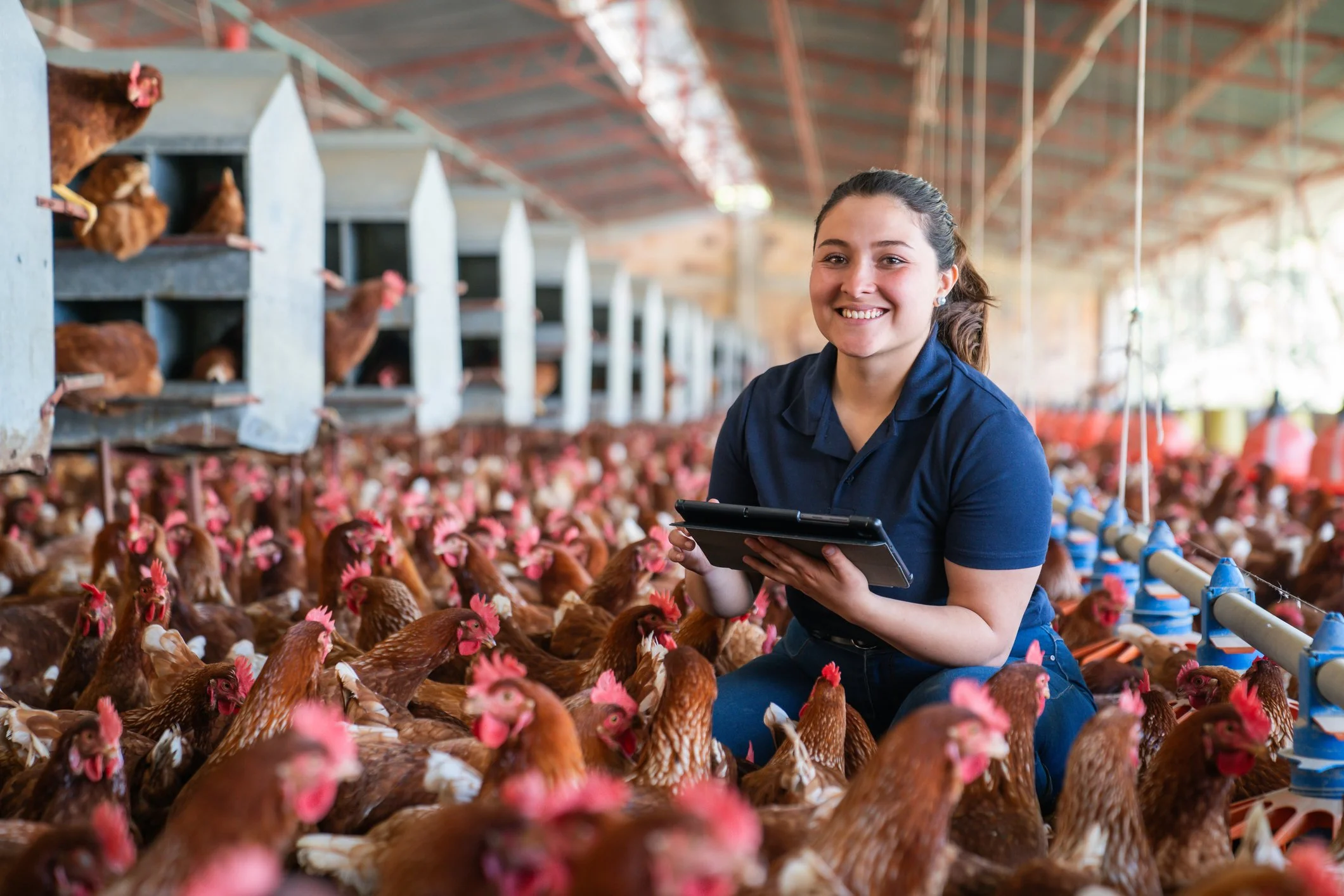
Poultry livestock
Bacteriophage therapy offers a precise and natural method to protect poultry from bacterial diseases such as Salmonella and Escherichia coli, which are common in intensive production systems. By targeting only harmful bacteria, phages preserve beneficial gut microbiota, supporting digestion, nutrient absorption, and overall flock performance. This targeted approach reduces reliance on antibiotics, helping combat antimicrobial resistance and supporting food safety. For producers, phage therapy can lead to healthier birds, improved weight gain and feed conversion, lower mortality rates, and reduced veterinary costs, while meeting increasing consumer and regulatory expectations for sustainable and responsible poultry production.

Equine livestock
Bacteriophage therapy provides a natural and targeted approach to maintaining equine health by combating bacterial infections such as Streptococcus equi, Escherichia coli, and Salmonella, which can cause respiratory, gastrointestinal, and wound-related illnesses. Phages specifically target harmful bacteria without disrupting the beneficial microbiome, supporting digestion, immune function, and overall wellbeing. By reducing the need for broad-spectrum antibiotics, phage therapy helps lower the risk of antimicrobial resistance and preserves the effectiveness of conventional treatments. For horse owners and veterinarians, this translates into faster recovery, fewer complications, improved performance and stamina, and a safer, more sustainable approach to equine healthcare.
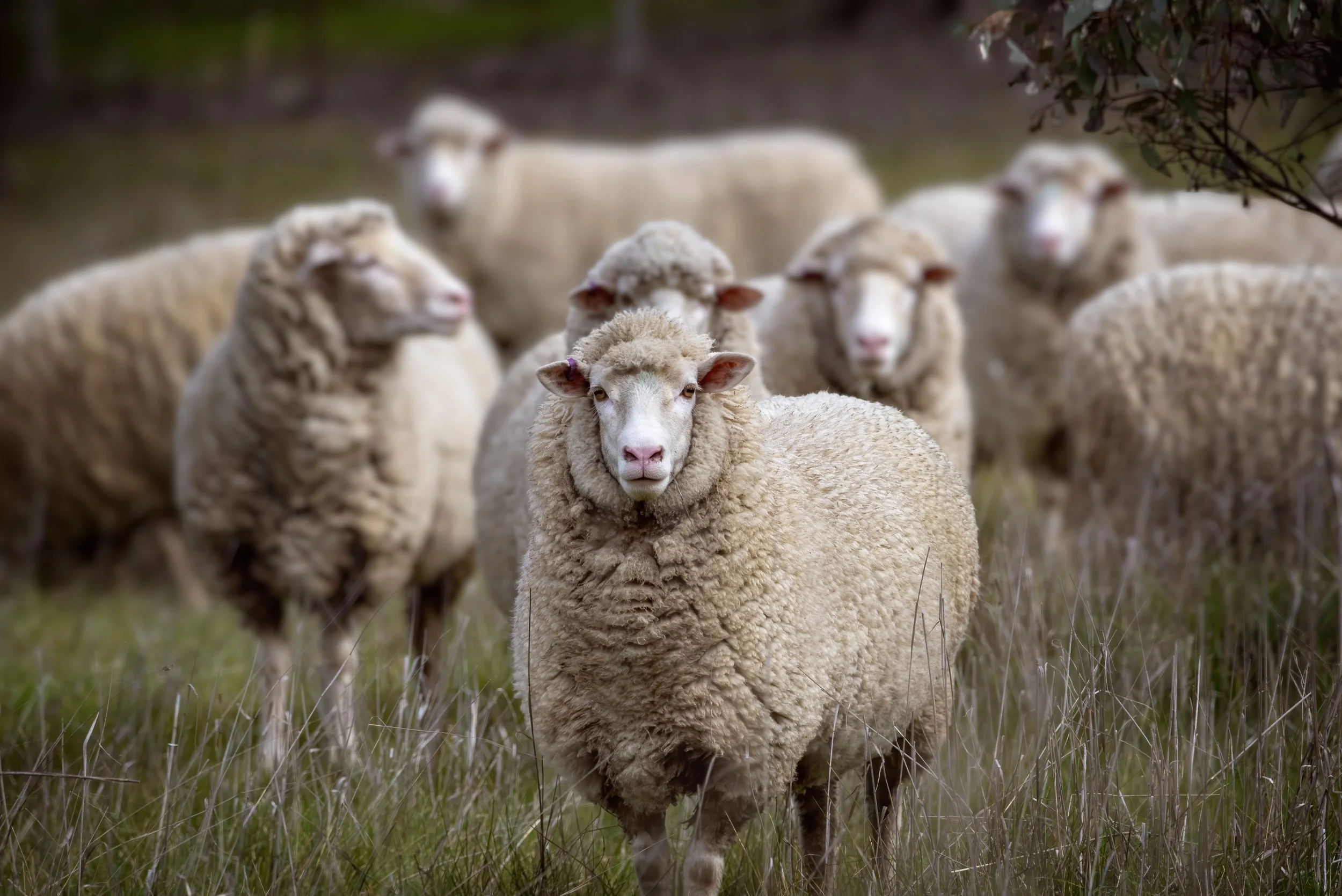
Ovine livestock
Bacteriophage therapy provides a natural and precise means of improving ovine health by targeting bacterial infections such as Mannheimia haemolytica, Pasteurella multocida, and Clostridium perfringens, which commonly affect respiratory and digestive systems in sheep. Phages selectively eliminate harmful bacteria without disturbing beneficial gut microbes, supporting nutrient absorption, immune strength, and overall flock performance. This targeted approach reduces dependence on antibiotics, helping mitigate antimicrobial resistance and preserving treatment effectiveness. For producers, phage therapy promotes healthier sheep, improved weight gain and wool quality, lower mortality rates, and enhanced sustainability across ovine production systems.
Livestock feed
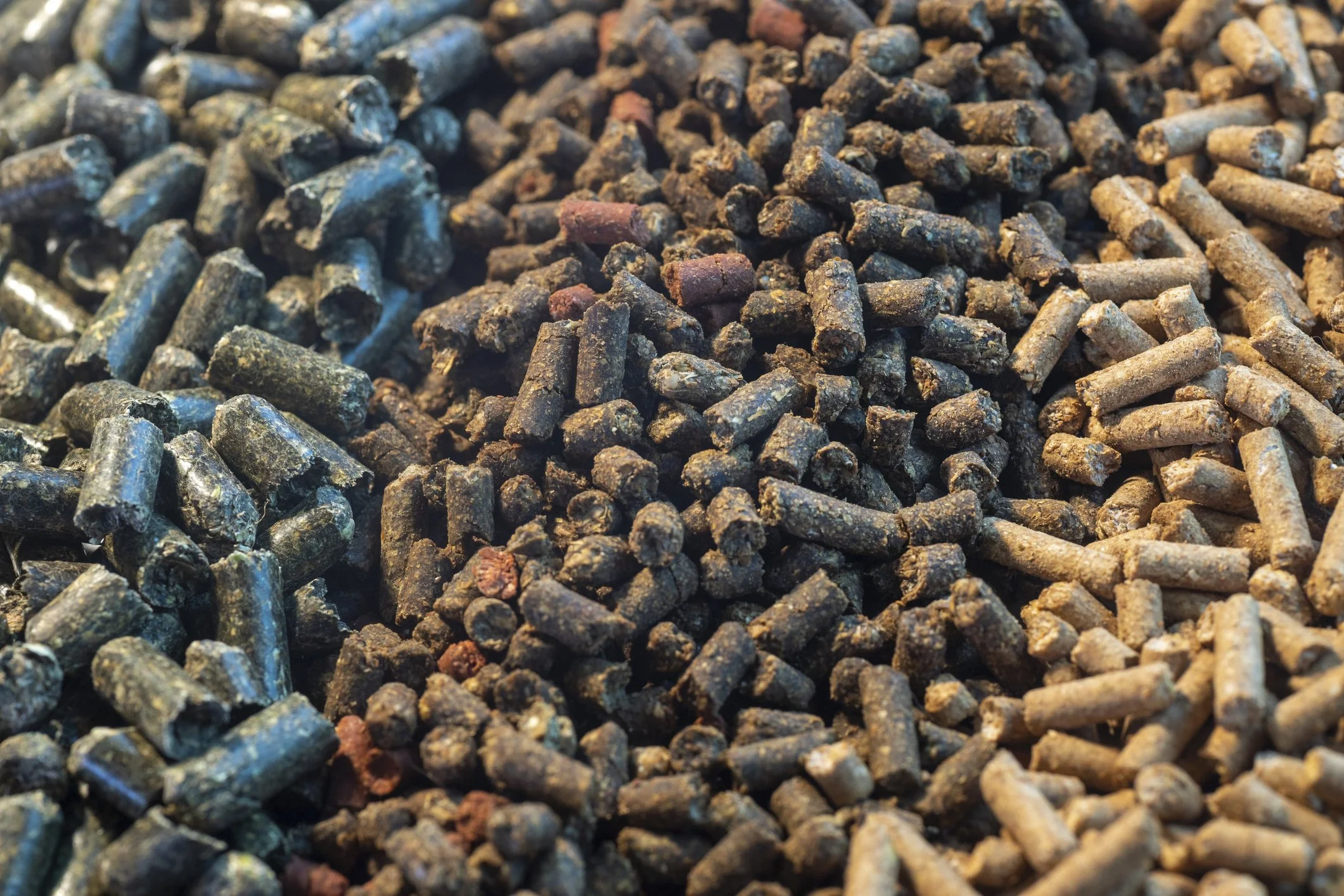
Bacteriophage technology can also be applied directly within livestock feed to enhance animal health and productivity. By incorporating targeted phages that control specific pathogenic bacteria such as Salmonella, E. coli, and Clostridium species, feed formulations can actively support gut health and reduce disease pressure across a range of livestock species. Unlike antibiotics, phages do not disrupt beneficial microbiota, allowing animals to maintain efficient digestion, nutrient uptake, and growth performance. This approach helps lower the risk of antimicrobial resistance while improving feed conversion ratios, reducing mortality, and promoting overall herd and flock wellbeing. For producers, phage-enriched feed represents a safe, sustainable, and cost-effective step toward responsible antibiotic reduction and more resilient farming systems.
Aquaculture
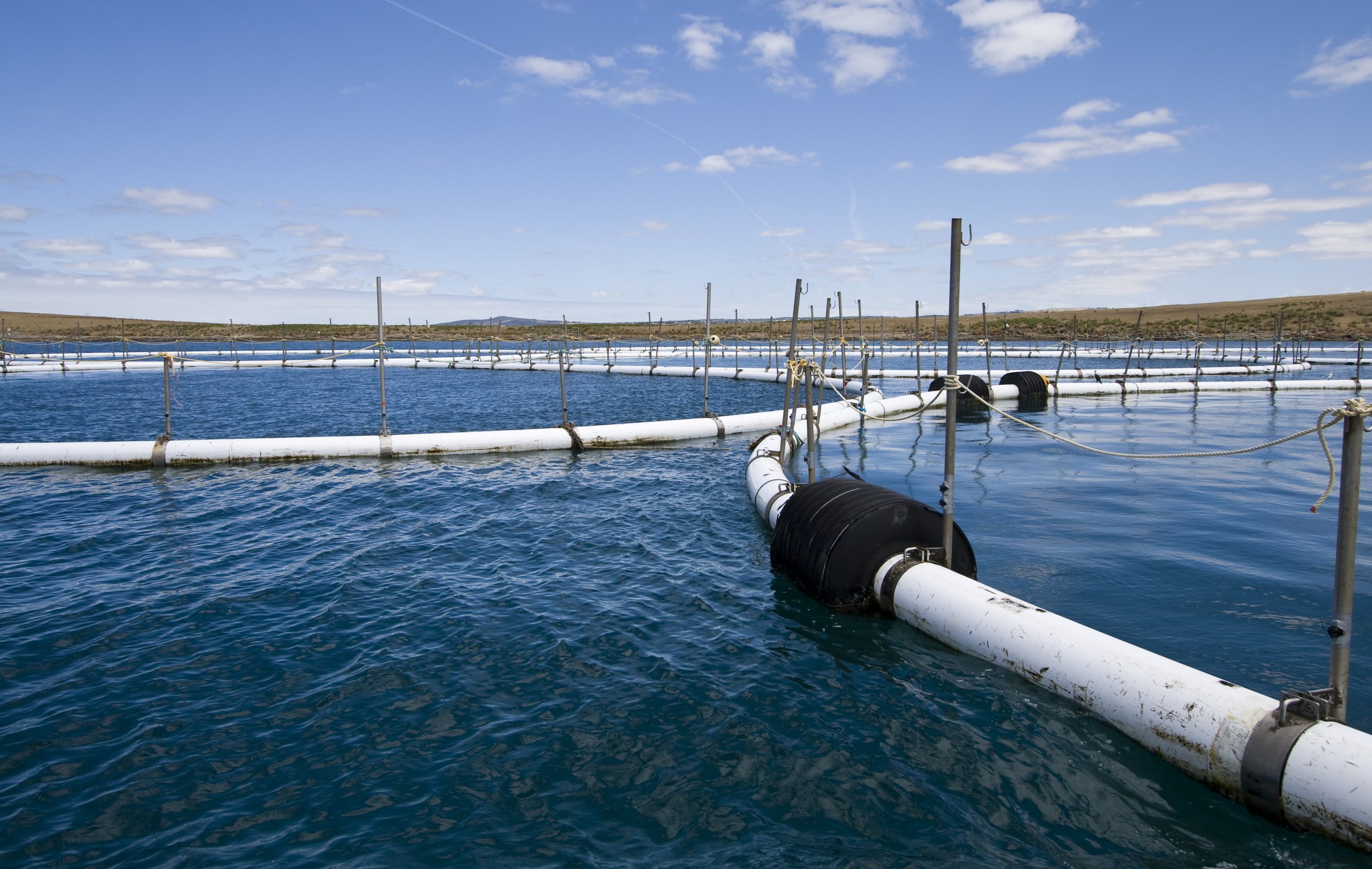
Bacteriophage therapy offers a precise and environmentally friendly solution for aquaculture, targeting harmful bacteria such as Vibrio, Aeromonas, and Flavobacterium that cause disease in fish and shellfish. Phages attack only the pathogenic bacteria, leaving beneficial microbial communities intact, which supports water quality, digestion, and overall stock health. By reducing the reliance on antibiotics, phage therapy helps curb antimicrobial resistance and ensures safer seafood for consumers. For producers, this means healthier stocks, lower mortality rates, improved growth and feed efficiency, and reduced treatment costs, all while supporting sustainable and responsible aquaculture practices.